The State of Point & Miles
Why we are absolutely getting cooked as time flies
Dez · Dec 25, 2025 · 8 min read

Disclaimer: Credits to @kaungfi from TikTok inspiring this post, not enough creators discuss the hard truths of this space
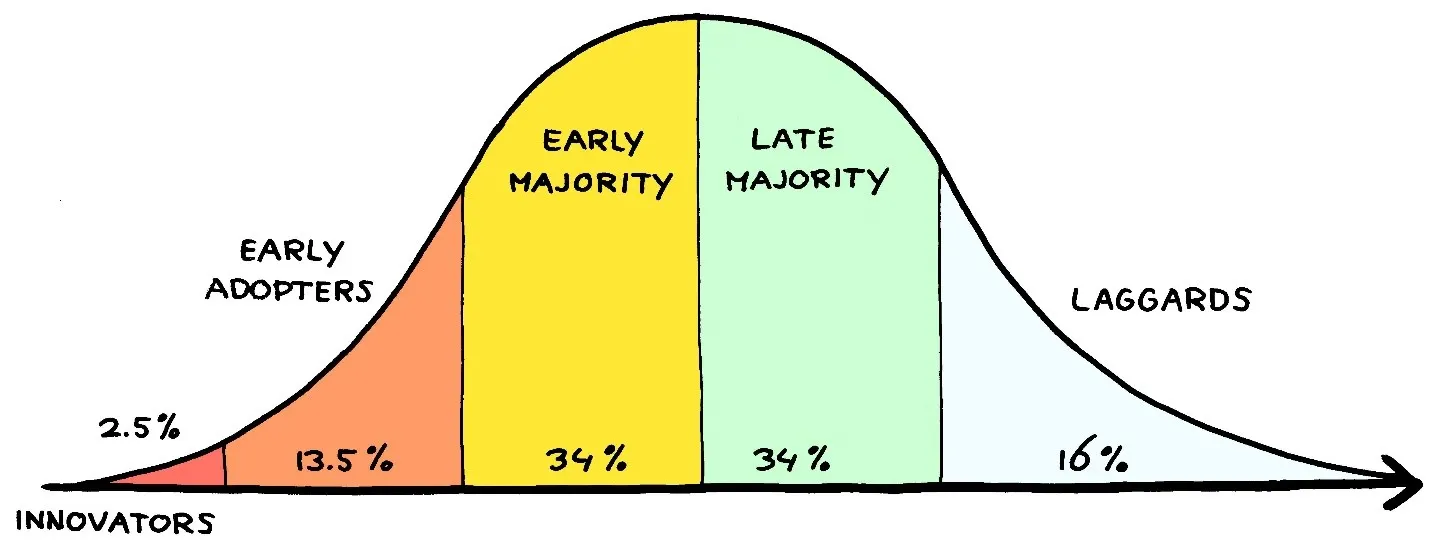
Having tons of skin in the game (7 years and counting), it’s no surprise that Gen X, millennials, and now Gen Z are now more aware of their spending and general knowledge of credit card points. I remember back in the late 2010s, it was not mainstream for people to “optimize spend” or “luxury travel on a budget”. The idea of using points & miles for luxury hotel stays or first/business flights was only known to a select few —> those that were already plugged into this space OR those that spent the time to learn the ropes, aka early adopters like me. Fast forward to 2025, and it seems like we are entering the peak era of points and miles, where the majority of the population is more budget-conscious, rebelled against the myth of “credit cards will sink you into lifelong debt”, and are aware of basic redemptions, which one can argue whether its good or bad (great that everyone’s learning about the game vs. more people are going to snatch my award seats…)
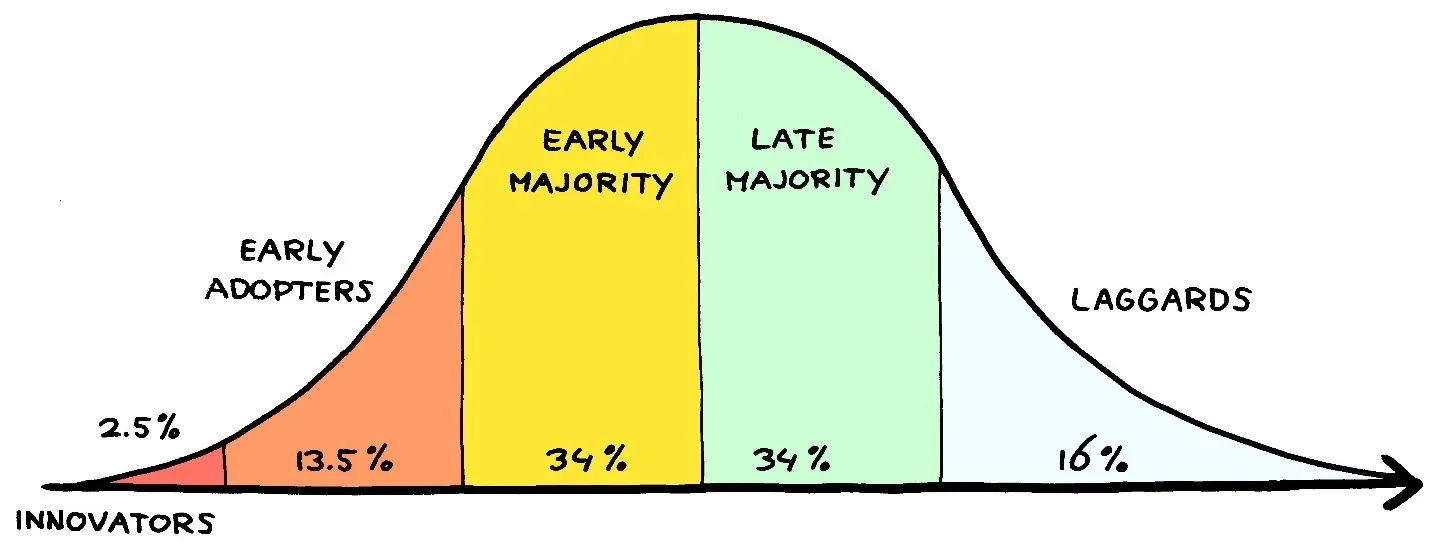
Just like investing in the stock market or Bitcoin, the best time to start this journey was yesterday (ideally, the early 2010s). The second-best time to start is TODAY — but fair warning that the landscape I started in is not the same as the landscape today, in my honest opinion, it’s more of a nuisance and soul-sucking depending on how invested you are.
Why We Are Absolutely Getting Cooked
There was a time when points and miles felt like a cheat code.
You could open a card, hit a bonus, and suddenly you were flying business class for the price of a couple dinners and some light financial responsibility. Award charts were real. “Saver space” meant something. If you played the game well, you won.
That era is over.
Today, points and miles haven’t just gotten worse, they’ve been quietly nerfed. What used to be a loyalty system is now a game of maximizing shareholder value and we’re the ones on the losing end of that game.
And yes, we are absolutely getting cooked.
#1 Points are inflating faster than cash
If you earned 100,000 miles in 2018 and did nothing, you lost purchasing power.
A business class redemption that once cost 60–70k miles routinely prices at 120k, 180k, or more. One-way “Dynamic pricing” didn’t just remove award charts, it removed accountability. There is no longer a wrong price but rather whatever the algorithm decides that day.
Cash inflation gets headlines. Points inflation happens in silence.
No press release. No warning. Just a new normal that’s worse than yesterday.
Reward pricing for domestic economy flights on major U.S. airlines has increased significantly since 2019 — nearly 12 percentage points more than general inflation over the same period. Southwest saw a 150% climb in miles needed for an average award flight, and Delta, JetBlue, and Alaska showed increases of 23–26% as well. United rose more modestly at 9%.
Miles used to function like a currency. Now they behave more like a coupons — one with blackout dates, fine print, and an expiration you don’t control.
#2 Loyalty programs aren’t about loyalty anymore
This is the part most people miss.
Airlines aren’t really airlines; They’re financial companies that fly planes (Remember the bailouts they received during COVID? I’m sure they were fine without them in my opinion). Their loyalty programs are some of the most profitable assets they own, and the real customer isn’t the traveler —> it’s the bank.
Chase, Amex, Citi, Cap One. They buy points in bulk and sell you the dream. Airlines get guaranteed revenue up front. Banks get swipe fees.
You get the illusion of choice but in reality it’s a volatile ecosystem that can change based on company vibes.
The risk? That’s on you.
When a program devalues, the airline shrugs. The bank keeps issuing points. And you’re left holding something worth meaningfully less than when you earned it.
We call it a “devaluation.” In any other context, we’d call it what it is: dilution.
And we see this on 2 different fronts: earning loyalty and redeeming points
Airline programs used to operate on a frequent flyer model (status is earned based on distance flown OR segments flown). There would also be a spend requirement but nothing major. Nowadays, airline status is more revenue driven with airlines like Delta shifting to a model where how much you spend with the airline matters more than actually flying with them.
85% of airline miles now come from credit card spending, not flying…. what a sad metric to see
Redemptions aren’t any better too, with Delta utilizing dynamic award pricing, there’s no specific number in mind whenever you’re booking award flights. In fact, their prices have skyrocketed so bad, there’s like a 10% chance I’d ever redeem Delta SkyMiles. I know it sounds like I’m a Delta hater but the same phenomenon also happens with hotel awards as well.
Hyatt is nice enough to publish an award calendar showing 3 different rates in the category. Each hotel is assigned a category which functions like a price tag. The shitty part? They can reclassify hotels at any given time, and I’ve seen many hotels move from Category 4 —> 5, effectively locking you out from using your free night awards (since Cat 4 is the max).
Flexible points face devaluation through issuer changes
Chase’s travel portal changes reduced the value of Ultimate Rewards booked outside high-value redemptions to about 1 cent per point — roughly 20–33% less than before for many cardholders
Keep in mind that depending what Chase Sapphire card you held, you were guaranteed 1.25-1.5x via their portal. With their “points boost” its more of a gamble of when you could get better value.
Goes to show that even flexible points — once a hedge against loyalty program devaluation — aren’t immune to devaluation as well
The game is harder and the payout is worse
Here’s the cruel irony.
The points game now requires more finesse than ever:
- You need flexibility
- You need timing
- You need transfer partners memorized
- You need alerts, tools, spreadsheets, and patience
And after all that?
The upside is smaller.
Everyone is optimized now. Blogs, TikTok, Reddit, and Twitter killed the information asymmetry. Every “sweet spot” is public. And once everyone knows the move, the market adjusts against the consumer. The knowledge gap widens as the seasoned pros begin to gatekeep their methods for fear of everyone finding out and programs responding to those.
The skill ceiling went up but the reward went down. My latest example is the ANA Round the World program where 120K miles + taxes could buy you a global trip all in business class — that program is officially dead, meaning if you wanted to replicate that it would cost more time and potentially more miles (Glad I was able to snag a ticket beforehand).
Very prominent loopholes such as the Wyndham-Caesar status match carousel, Chase Ink carousel, and the Amex platinum bonus churning were some of the most powerful dark horse plays in this space but once they were all killed, everyone could feel the repercussions (To be fair, it was expected to happen at some point but in an ideal world it would happen way later in the future — this is the price we pay to play the game).
We didn’t get better outcomes. We just got better at justifying worse ones.
Why it still feels like a win (even when it isn’t)
This is where points culture gets dangerous.
We anchor to retail price.
“$7,200 flight for 140,000 points? What a steal.”
But we ignore:
- Annual fees
- Opportunity cost of spend
- Transfer bonuses we waited for
- The fact that we’d never pay $7,200 in cash anyway
- Most important part — THIS COULD BE THE PRICE FOR ONE WAY (Roundtrip means double the points bc who would only fly one way unless you’re a nomad)
Not paying cash feels like saving money. It isn’t always.
Sometimes it’s just deferred spending in a different unit — one that quietly loses value while you wait to use it.
Value of points is subjective, some use view it as a win no matter what type of travel they’re booking, its the notion of “I’m saving cash” whereas aspirational travelers often tie to cents per point (CPP). Nevertheless, with the trends that banks are loyalty programs are following, it’s only going to get worse and less valuable over time.
So… is the game dead?
Not entirely.
But it’s smaller, sharper, and far less forgiving.
Points still work if:
- You have real flexibility
- You redeem quickly
- You know exactly what you’re earning for
- You understand the nuances and advanced techniques needed in this volatile space
They don’t work as a savings account. They don’t work as a long-term strategy. And they absolutely don’t work if you’re earning speculatively, hoping to “figure it out later.”
For most people, boring cash back is now quietly winning because who wants to spend hours searching for the “best deal” when you can just suck it up and book your desired flight at whatever price instantly and not go down this rabbit hole.
People don’t necessarily choose cashback because it’s exciting — but because it doesn’t lie to you.
The uncomfortable truth
The golden age of points and miles wasn’t killed by greed alone.
It was killed by scale.
Once loyalty programs became profit centers, once everyone learned the tricks, once banks realized points were better marketing than money — the math had to break.
And it broke in the only direction it ever could: against us.
Points are slowly starting to become a liability if you intend to treat it like a piggy bank.
And the longer you hold them, the more you’re paying for the privilege.
The killer ending
The smartest move in a rigged game isn’t to play harder.
It’s to play less.
Earn points with intent. Burn them quickly. Stop romanticizing redemptions that take twelve tabs, three alerts, and a prayer to book.
Because the real win in 2025 isn’t flying business class for “free.”
It’s about not letting a corporation convince you should be grateful to cough up 200K miles for a ticket from SFO to Asia one-way business class or maybe even spending $150K just for that fancy platinum status.
Because points don’t appreciate. They expire, devalue, and quietly cost you if you wait too long.
Originally published on Substack.
More from the blog

Oct 20, 20269 min readSubscribers
Points maxxing
A little glimpse into how I operate and spontaneously full send on trips without ever worrying about budget

Sep 11, 20268 min read
Jet Lagged 001: Saigon (HCMC), VN
Notes from a rough landing

Sep 10, 20261 min read
Hyatt x Delta Airlines partnership
And a farewell to American Airlines I guess